Potcake Media


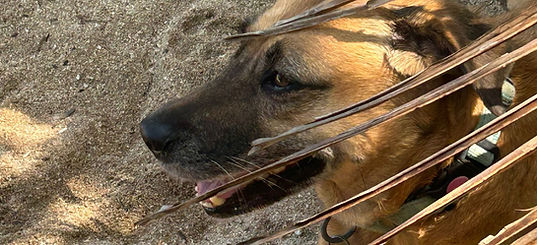
What is a Potcake?
The Name "Potcake": In the past, food was often scarce. After cooking traditional meals of seasoned rice and pigeon peas in large pots, locals would scrape out the overcooked, caked-on remnants from the bottom and feed them to the stray dogs. This resourcefulness gave the dogs their enduring, endearing name.
Survival and Temperament: Living as strays on the islands for generations has meant that only the strongest and most resourceful dogs have survived to reproduce, resulting in a naturally robust and intelligent animal. Potcakes are known for being fiercely loyal, smart, calm, and resilient, making them excellent, loving companions when adopted into homes.
Challenges and Rescue Efforts: The stray dog population on the islands is a significant issue, with many dogs struggling to survive due to limited resources and a lack of veterinary care.
Local rescue organizations play a crucial role in their welfare, working tirelessly to provide medical care (especially spay/neuter clinics), socialize puppies, and arrange adoptions to homes worldwide. Tourists can even volunteer to walk the puppies, helping them socialize.
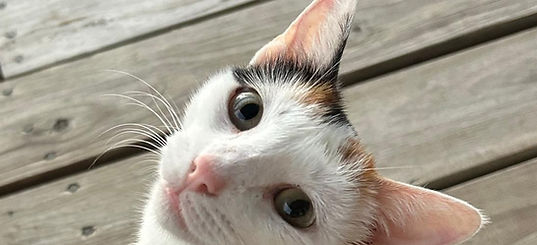
What is a Coconut Cat?
Cats on Caribbean islands often struggle in the wild. Many are strays or feral cats, and their living conditions vary. Some receive care from kind locals and resorts, while others face neglect and cruelty.
Overpopulation occurs because veterinary care is often unavailable or costly, and there are limited spay-and-neuter programs, leading to more feral cats on the islands.
Health Issues and Short Lifespan: Stray cats often have diseases, some of which can be passed to humans, such as roundworms that cause "beach worms." These cats usually live only 1-2 years.
While some community members are kind to the cats, many see them as pests. Recognizing diverse attitudes can inspire empathy and promote community education and humane treatment.
Feral Cat Feeding Stations
Improved Cat Welfare: Consistent access to food leads to healthier, better-nourished cats, reducing malnutrition and disease spread among the colony members.
Effective Colony Management (TNR Efforts):
Easier Trapping: Feeding cats at the same time and location daily makes it much easier for caretakers to humanely trap them for spaying/neutering, vaccinations, and medical care (TNR).
Health Monitoring: Regular feeding allows caretakers to monitor the cats' overall health, track new arrivals, and notice missing or injured cats.
Population Control: When combined with TNR, a managed feeding station can help stabilize the colony and, over time, reduce its population. Since the cats are spayed and neutered, no new kittens are born.
Privacy and Protection: A well-designed feeding station can offer cats privacy while they eat, protect food from the elements (rain, sun, snow), and deter some pests or public complaints by keeping the area tidy and out of sight.
Community Relations: A properly maintained station makes a TNR project appear more professional and can be used to educate neighbors, potentially recruiting volunteers and preventing people from leaving food in unmanaged ways.
Spay & Neuter - Effective & Humane
Spaying and neutering are important for controlling the number of stray and unwanted cats and dogs. By preventing unplanned births, we can reduce the overall number of animals.
For example, if a female dog has two litters of puppies, and each puppy also has two litters, this could lead to over 60,000 dogs in just six years. Spaying stops this growth and helps decrease the number of stray animals. Spaying and neutering pets are essential for controlling animal populations and helping overcrowded shelters.
Spaying and neutering also improve pets’ health. These procedures lower the risks of certain cancers and infections, and can reduce unwanted behaviors like roaming and aggression.
By ensuring our pets are spayed or neutered, we can help prevent overpopulation and improve their health. When we combine our love for animals with knowledge about the benefits of spaying and neutering, we create a kinder environment for pets and lessen the burden on animal shelters. Spayed or neutered pets help improve the overall health and welfare of both the animals and the communities they live in.
Sustainable Vacinnations Programs & Data Tracking
Free vaccination programs for stray cats and dogs are essential for public health and animal welfare, especially in areas with high stray populations.
These programs help prevent the spread of diseases like rabies, which can be transmitted to humans and other animals, and contribute to reducing the overall disease burden in both animal and human populations.
-
Public Health
-
Animal Welfare
-
Disease Control
-
Community Benefits
-
Population Management
-
Cost-Effectiveness

TNR (Trap/Neuter/Return) & Data Tracking
TNR is the internationally recognised method of caring for cats in feral colonies. Without regular feeding and medical attention, these cats would face very short, often painful lives. The cats are trapped, neutered, and returned to the colony as quickly as possible.
Neutering ensures that colony numbers do not grow exponentially, thereby preventing them from exceeding the locally available sustainable food. It also protects females from terminal illnesses such as mammary cancer, uterine infection, and diseases like Feline Leukaemia and Feline Immunodeficiency Virus, which are both spread by mating.
Aggression among males is drastically reduced. And the kittens live much longer, as they can be fostered and socialized enough to be adopted into a human home.